Analytical Method Validation: Complete Guide
Step-by-step guide to method validation including accuracy, precision, linearity, and robustness testing for regulatory compliance.

Method validation is a critical process that demonstrates an analytical method is suitable for its intended purpose. This guide covers all aspects of validation required for regulatory compliance and reliable analytical results.
Validation Parameters Overview
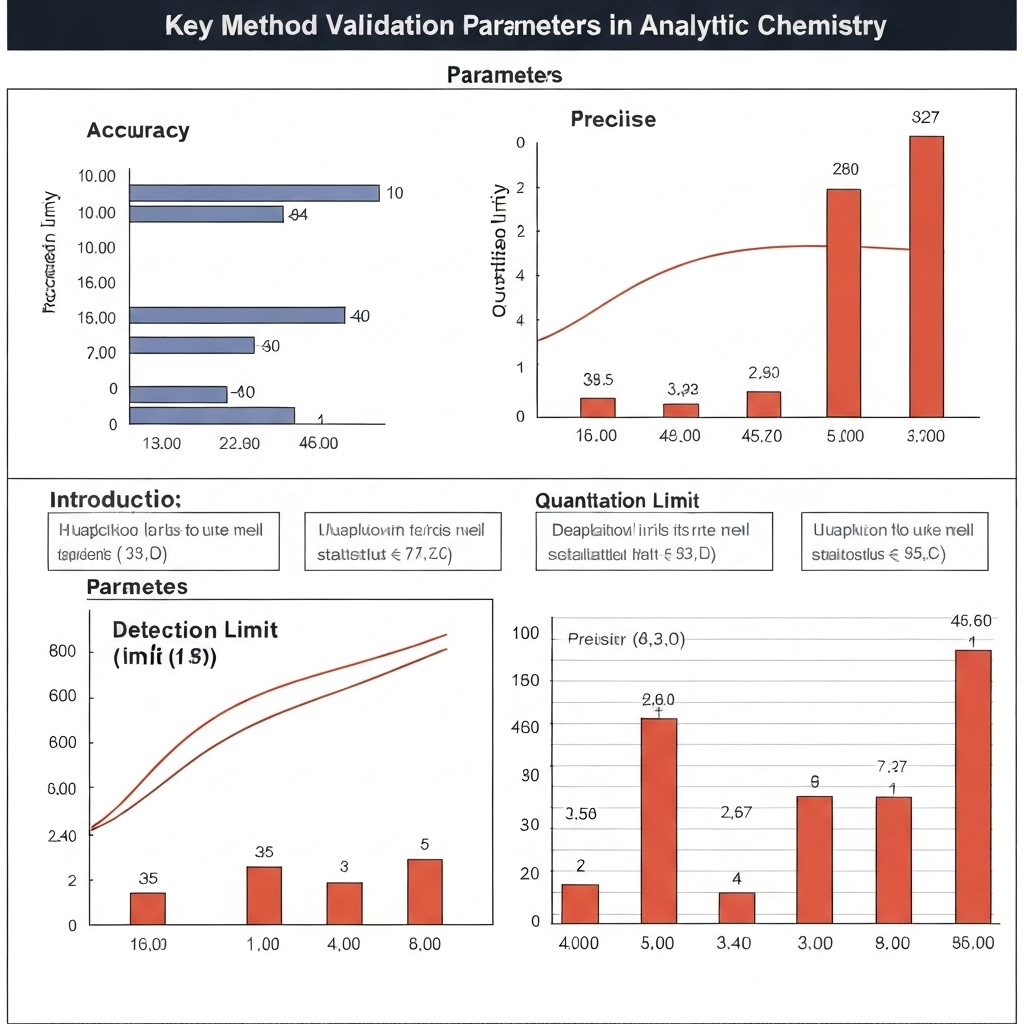
Method validation typically includes assessment of accuracy, precision, specificity, linearity, range, detection limit, quantitation limit, and robustness. The specific parameters required depend on the method type and intended use.
Develop a comprehensive validation protocol before beginning experimental work. This protocol should define acceptance criteria, experimental design, and statistical methods for data evaluation.
Accuracy and Precision Testing
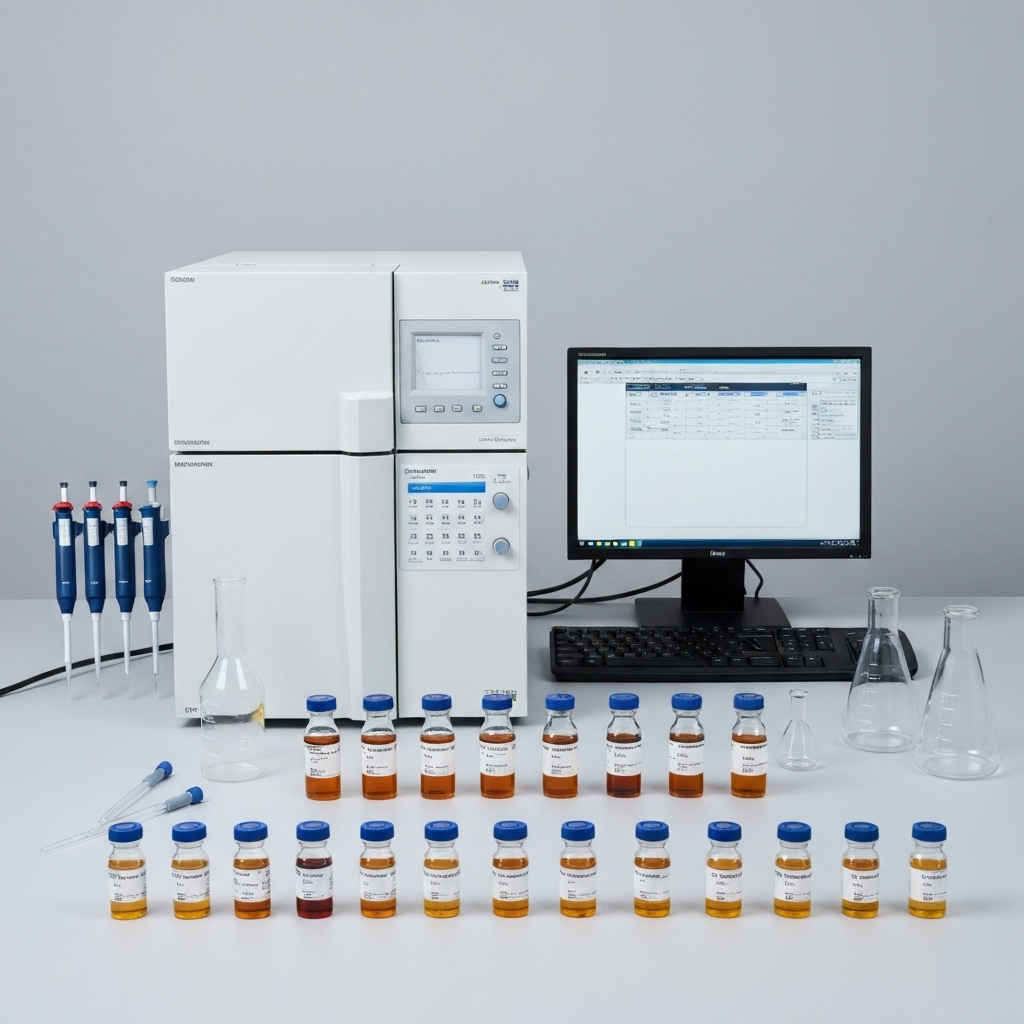
Accuracy measures how close analytical results are to the true value, while precision measures the reproducibility of results. Test accuracy using certified reference materials or spiked samples at multiple concentration levels.
Evaluate precision at three levels: repeatability (same analyst, same day), intermediate precision (different analysts, different days), and reproducibility (different laboratories). Calculate relative standard deviation (RSD) for each level.
Linearity and Range Assessment
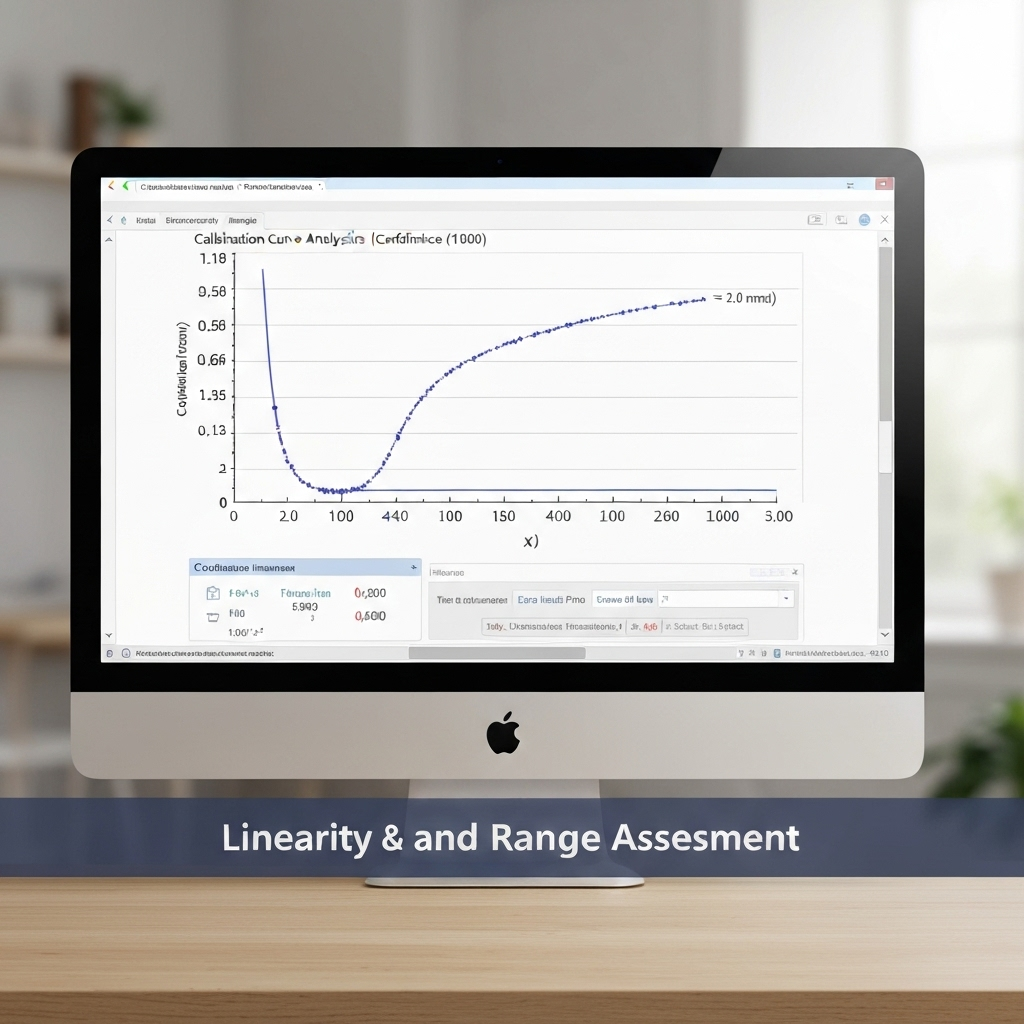
Establish linearity by analyzing standards across the expected concentration range. Use at least five concentration levels with multiple injections at each level. Evaluate the correlation coefficient (r² ≥ 0.995 typically required).
Determine the working range where the method maintains acceptable accuracy and precision. Document any deviations from linearity and their impact on quantitative results.
Robustness and System Suitability
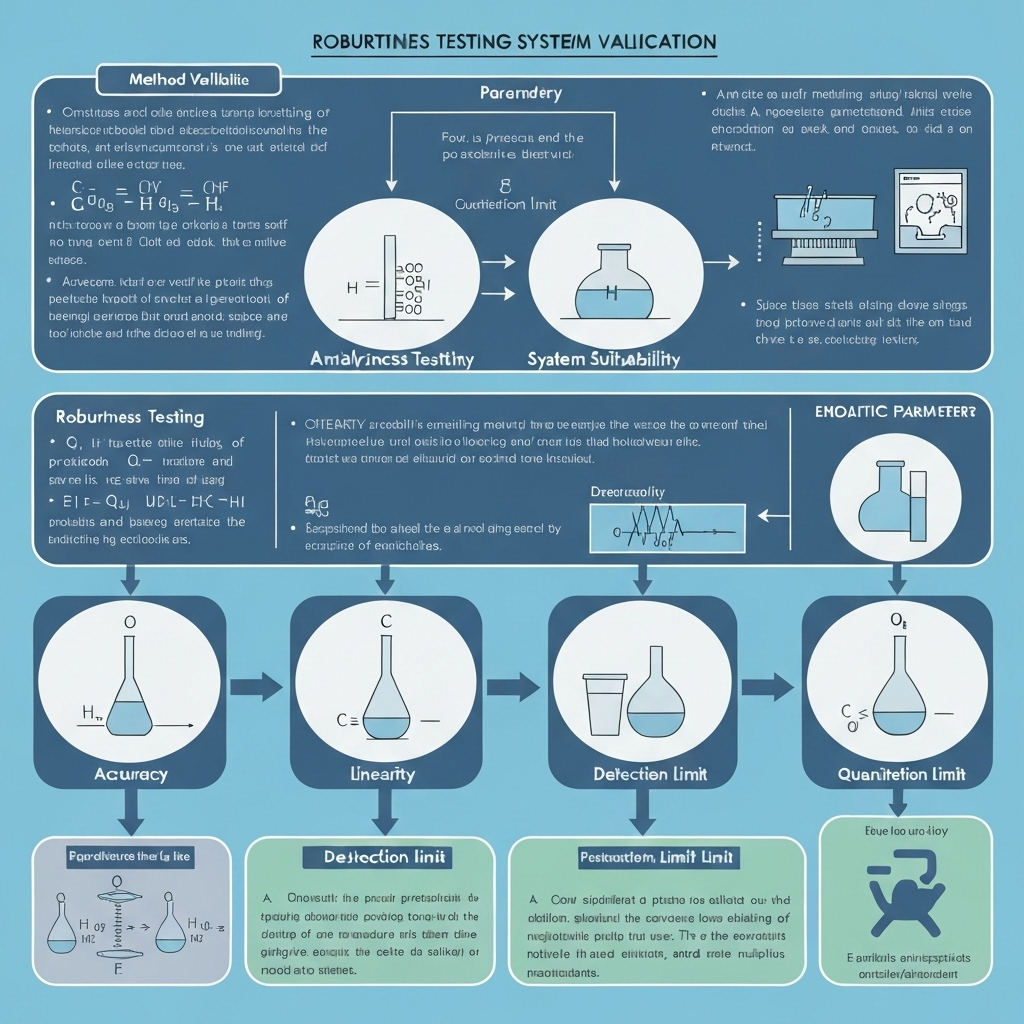
Robustness testing evaluates method performance under small, deliberate variations in method parameters. Test variables such as mobile phase composition, flow rate, column temperature, and pH.
Develop system suitability criteria that ensure the method performs acceptably each time it's used. Include parameters like resolution, tailing factor, theoretical plates, and retention time reproducibility.
Conclusion
Thorough method validation provides confidence in analytical results and ensures regulatory compliance. Document all validation experiments meticulously and maintain validation records as part of your quality system. Regular revalidation may be necessary when significant changes are made to the method or equipment.
Need More Help?
Our technical experts are here to support your analytical needs