Essential Laboratory Safety Protocols
Complete safety guide covering chemical handling, equipment safety, emergency procedures, and regulatory compliance for analytical laboratories.
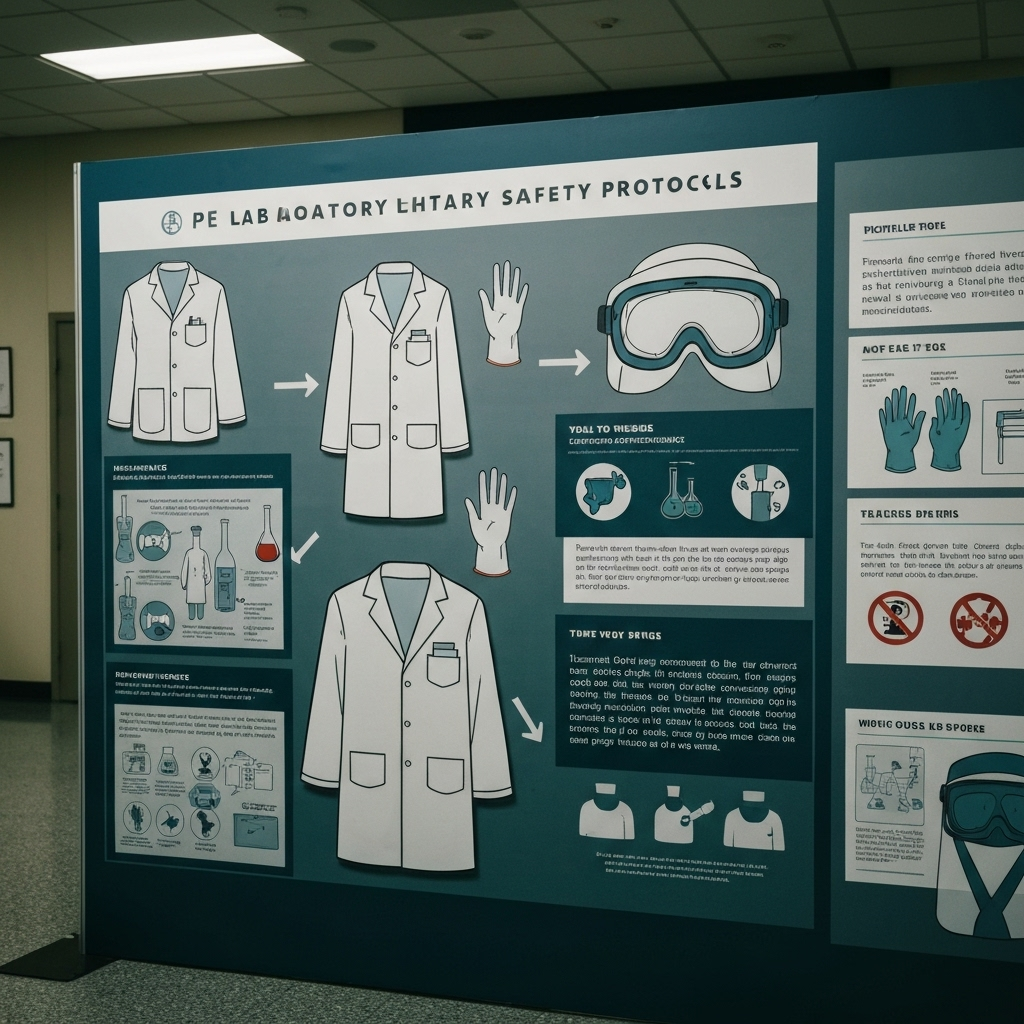
Laboratory safety is paramount in analytical chemistry environments. This guide provides comprehensive safety protocols to protect personnel, equipment, and the environment while maintaining productive laboratory operations.
Personal Protective Equipment (PPE)
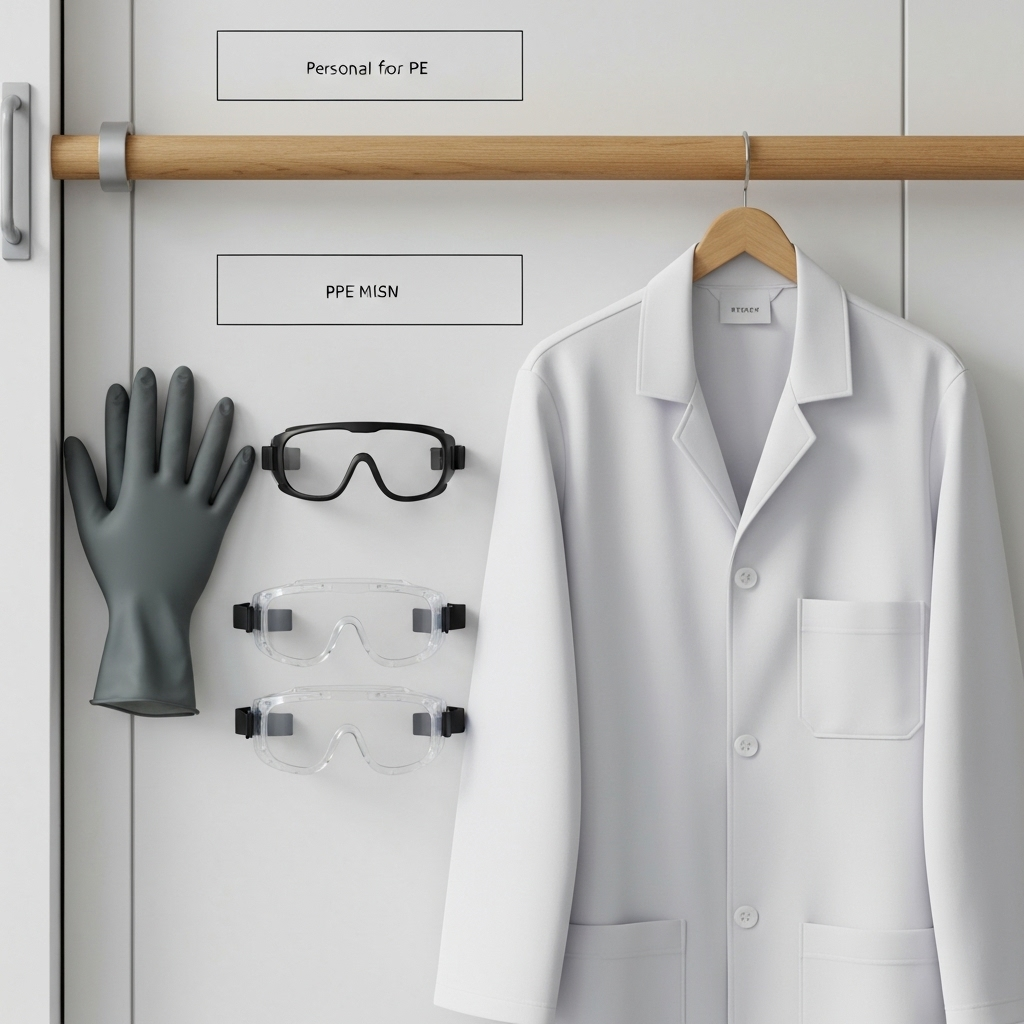
Proper PPE selection and use is the first line of defense in laboratory safety. Always wear safety glasses or goggles when working with chemicals or equipment. Use appropriate gloves for the chemicals being handled - nitrile for most organic solvents, neoprene for acids and bases.
Lab coats should be worn at all times and removed before leaving the laboratory area. Closed-toe shoes are mandatory, with chemical-resistant footwear recommended for areas with significant chemical use.
Chemical Storage and Handling
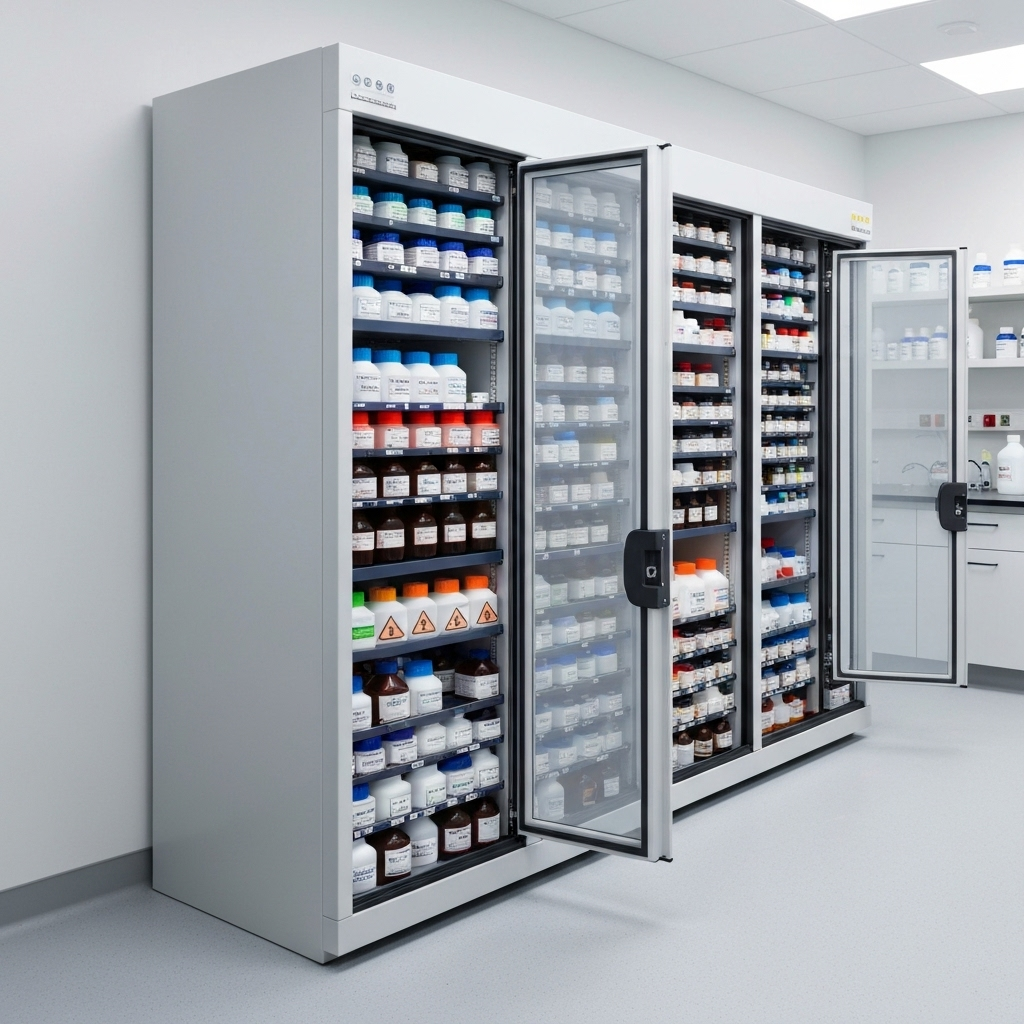
Organize chemicals by compatibility groups, never by alphabetical order. Store acids separately from bases, and keep oxidizers away from flammable materials. Use appropriate secondary containment for all liquid chemicals.
Maintain accurate chemical inventories and ensure all containers are properly labeled with contents, concentration, and date. Implement a first-in, first-out rotation system to prevent chemical degradation.
Emergency Response Procedures
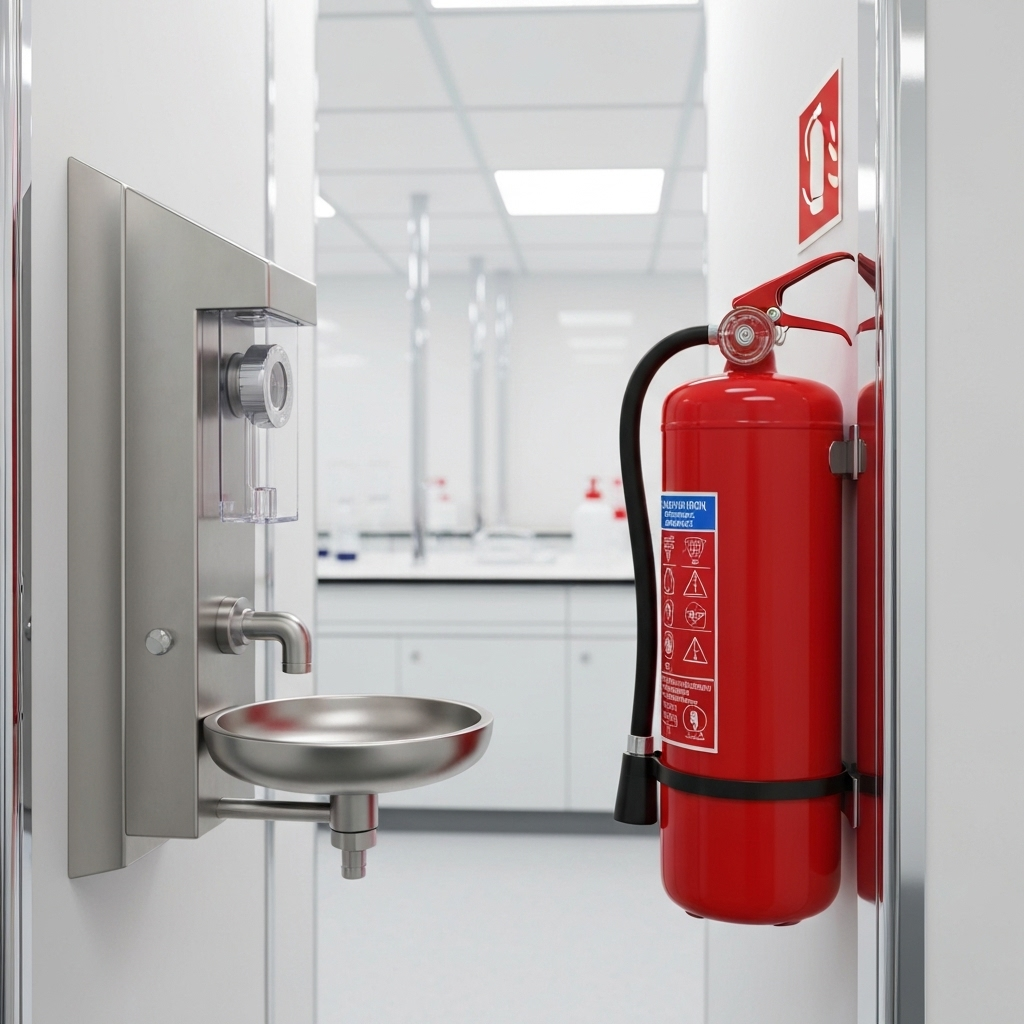
Know the location and proper use of all emergency equipment including eyewash stations, safety showers, fire extinguishers, and spill kits. Conduct regular emergency drills and ensure all personnel are trained in evacuation procedures.
Maintain updated emergency contact information and ensure someone is always designated as the emergency coordinator during operating hours. Post emergency procedures prominently throughout the laboratory.
Waste Management and Disposal
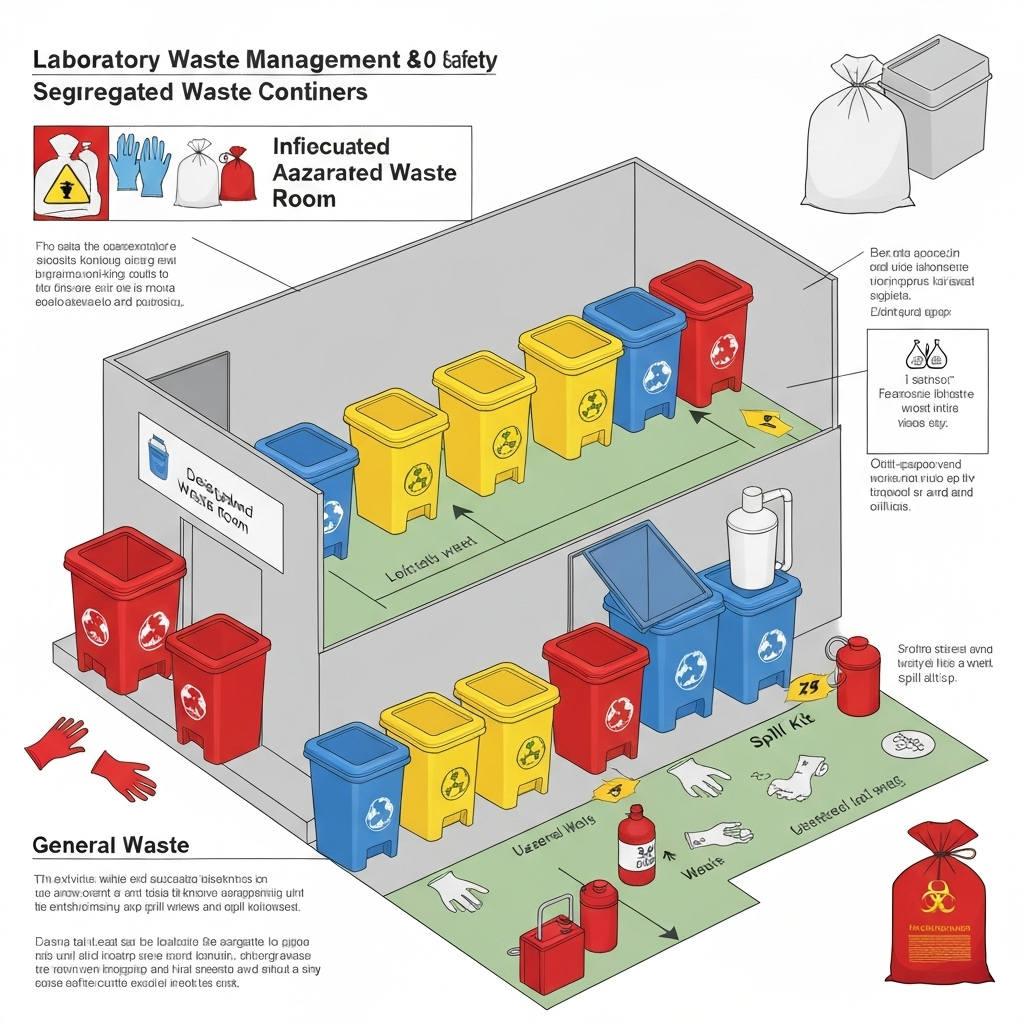
Implement proper waste segregation procedures for different types of laboratory waste. Separate halogenated from non-halogenated organic solvents, and never mix incompatible waste streams.
Maintain detailed waste logs and ensure all waste containers are properly labeled. Work with certified waste disposal companies and keep all disposal documentation for regulatory compliance.
Conclusion
A strong safety culture is built through consistent application of these protocols and regular training. Remember that safety is everyone's responsibility, and no analytical result is worth compromising the health and safety of laboratory personnel.
Need More Help?
Our technical experts are here to support your analytical needs